


Non Verbal Reasoning Practice Question and Answer
8 Q: From the given figure select the one in which the question figure is hidden/embedded in the same direction.
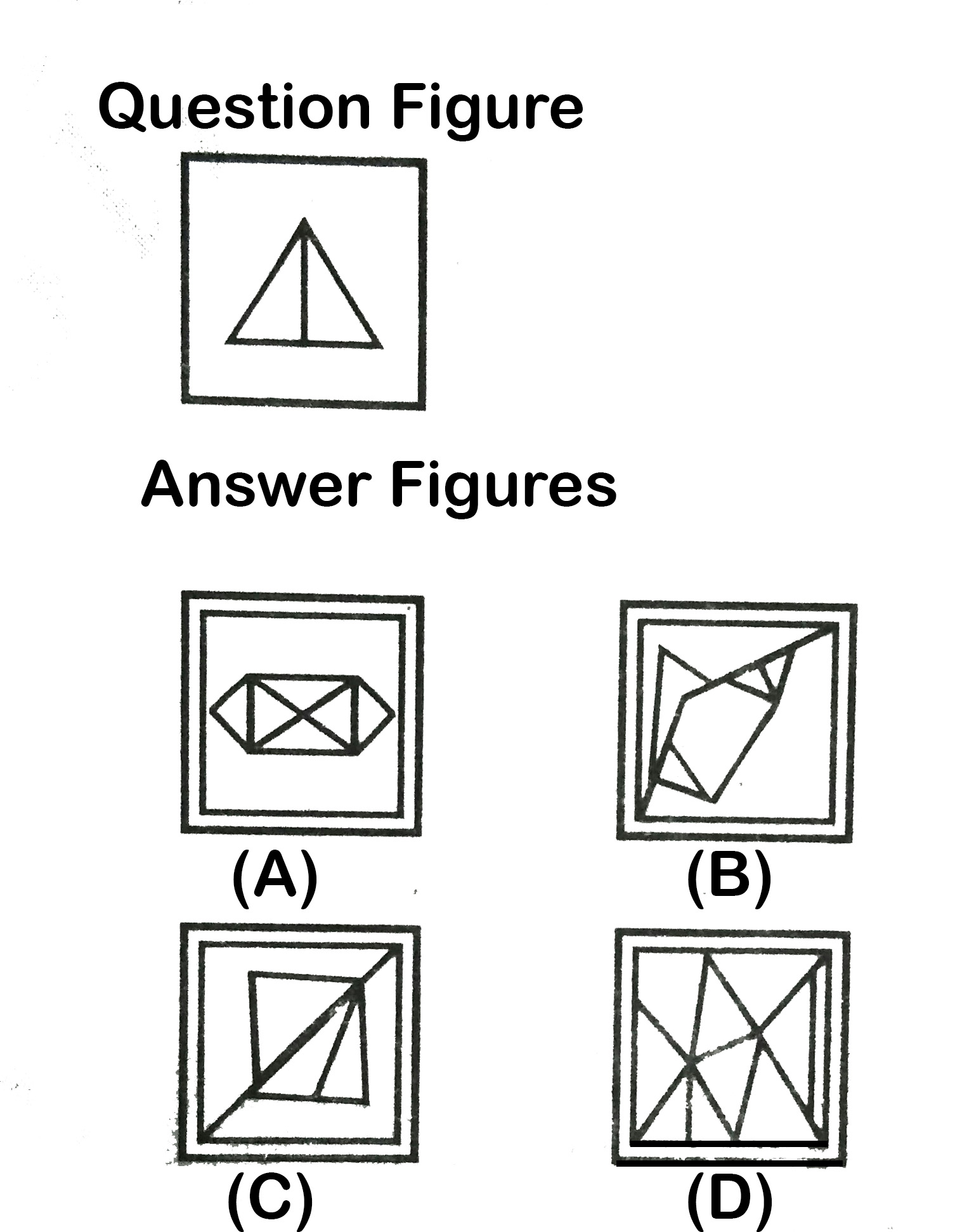
2933 15dc2a6a0ee5d9e2ea2b58147
5dc2a6a0ee5d9e2ea2b58147- 1Afalse
- 2Bfalse
- 3Cfalse
- 4Dtrue
- Show AnswerHide Answer
- Workspace
- SingleChoice
Answer : 4. "D"
Q: Select a figure from amongst the Answer Figures which will continue the same series as established by the five Problem Figures.
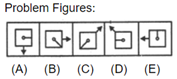
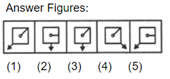
2926 05ed9bcaef528050f914fbfc7
5ed9bcaef528050f914fbfc7- 11false
- 22false
- 33true
- 44false
- 55false
- Show AnswerHide Answer
- Workspace
- SingleChoice
Answer : 3. "3"
Q: Which number appear in the face opposite to the face with number 4?
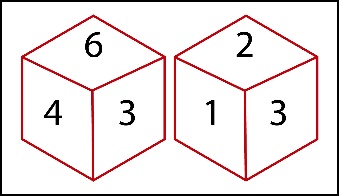
2918 05f55dc26d094fa460c066e16
5f55dc26d094fa460c066e16- 13false
- 25false
- 31true
- 42false
- Show AnswerHide Answer
- Workspace
- SingleChoice
Answer : 3. "1"
Q: How many circles in the figure?

2915 05fdcb02cd210320f9359c259
5fdcb02cd210320f9359c259- 121true
- 219false
- 318false
- 417false
- Show AnswerHide Answer
- Workspace
- SingleChoice
Answer : 1. "21"
Q: Three-position of a dice are given below. Identify the number on the face opposite to 6.
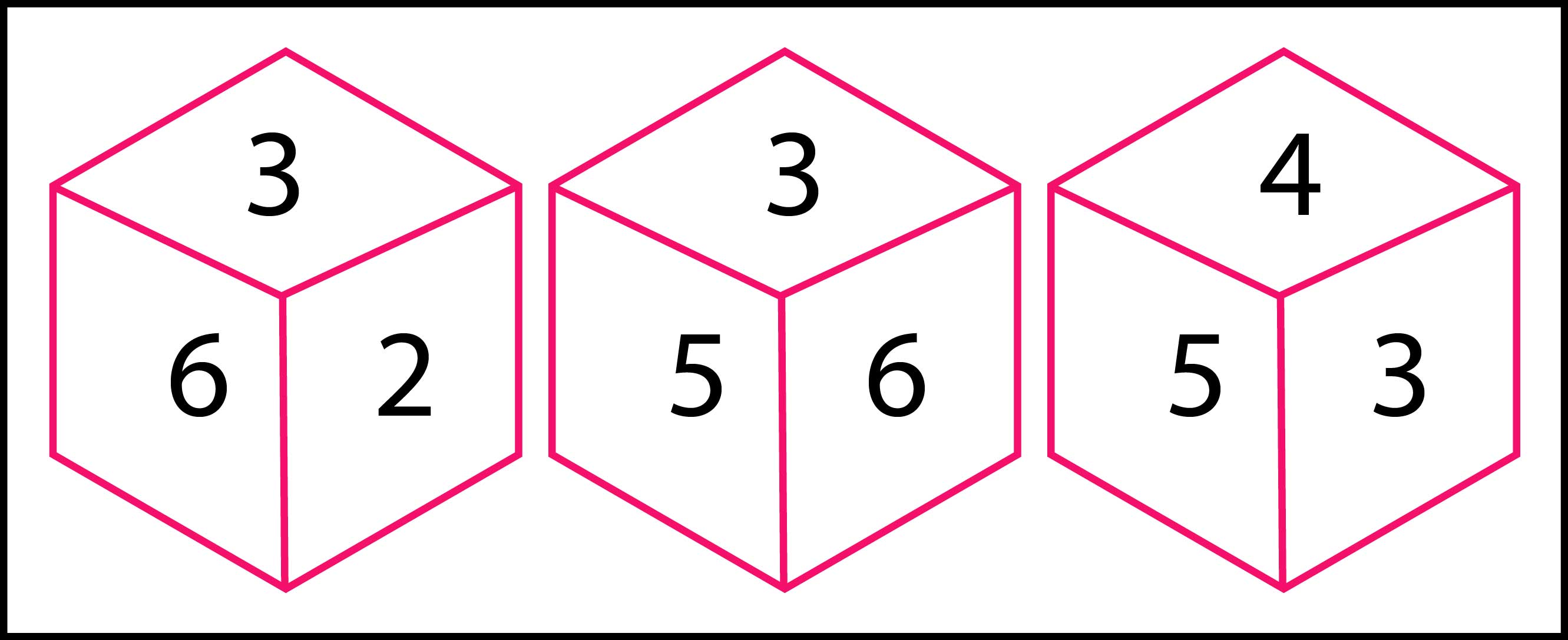
2912 05f55d6be79cfd646ddcb66a9
5f55d6be79cfd646ddcb66a9- 15false
- 26false
- 31false
- 44true
- Show AnswerHide Answer
- Workspace
- SingleChoice
Answer : 4. "4"
Q: When two dice are thrown simultaneously, what is the probability that the sum of the two numbers that turn up is less than 12? 2911 05b5cc5ffe4d2b4197774b427
5b5cc5ffe4d2b4197774b427- 135/36true
- 217/36false
- 315/36false
- 41/36false
- Show AnswerHide Answer
- Workspace
- SingleChoice
Answer : 1. "35/36"
Explanation :
Answer: A) 35/36 Explanation: When two dice are thrown simultaneously, the probability is n(S) = 6x6 = 36 Required, the sum of the two numbers that turn up is less than 12 That can be done as n(E) = { (1,1), (1,2), (1,3), (1,4), (1,5), (1,6)(2,1), (2,2), (2,3), (2,4), (2,5), (2,6)(3,1), (3,2), (3,3), (3,4), (3,5), (3,6)(4,1), (4,2), (4,3), (4,4), (4,5), (4,6)(5,1), (5,2), (5,3), (5,4), (5,5), (5,6)(6,1), (6,2), (6,3), (6,4), (6,5) } = 35 Hence, required probability = n(E)/n(S) = 35/36.
Q: Three positions of a cube are shown below. What will come opposite to the face containing ‘α’?
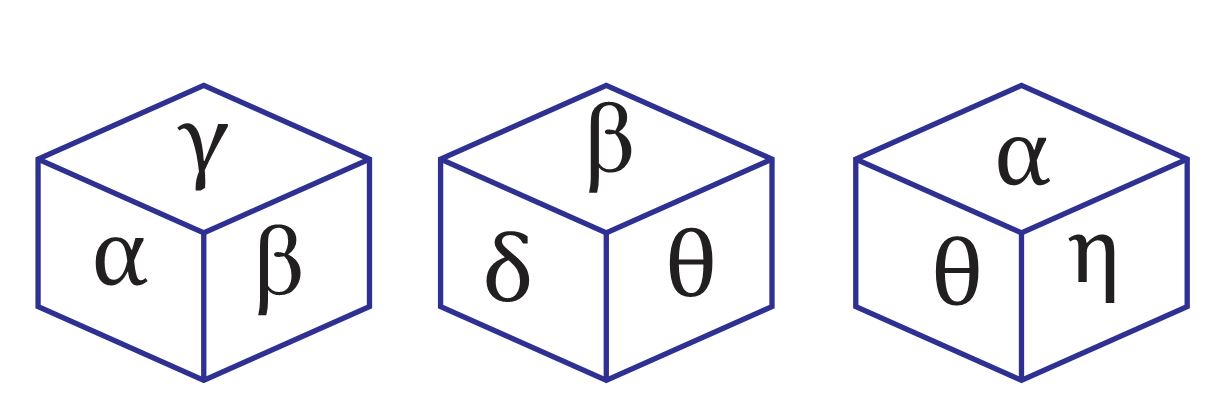
2903 05d9dbc9d83cbd37fec65060d
5d9dbc9d83cbd37fec65060d- 1βfalse
- 2δtrue
- 3nfalse
- 4θfalse
- Show AnswerHide Answer
- Workspace
- SingleChoice
Answer : 2. "δ"
Q: Select the figure that will come next in the following figure series.
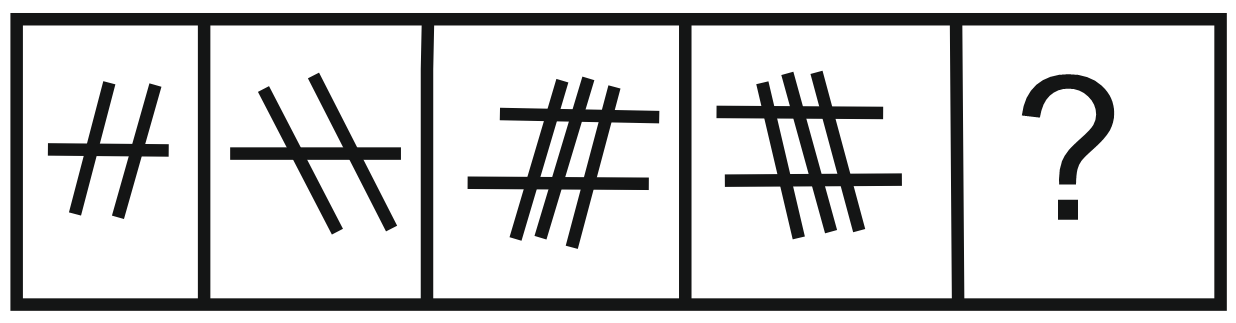
2895 05da6e26e718ac068e3ecca5b
5da6e26e718ac068e3ecca5b- 1false

- 2false

- 3false

- 4true

- Show AnswerHide Answer
- Workspace
- SingleChoice